
12 Must-Follow Hotel Website Design Trends in 2026
Hotel websites in 2026 must work like high-performing e-commerce engines. Mobile dominates reservations, speed shapes conversion, and accessibility and transparency now decide trust.
Properties that pair immersive storytelling with frictionless booking flows, clear pricing, and AI-driven personalization win more direct bookings. We build custom hotel websites for US properties and 2026 guest expectations. Our approach is simple: fearless creative, fueled by technology and driven by strategy. As we like to say, your guest is online, so experiences must reach, respond, and react to every point-and-click. Below are 12 trends, US examples, and data-backed tactics to help you outpace OTAs (Online Travel Agencies) and turn your website into your most profitable channel.
Key Takeaways
- Mobile is the primary booking channel. About 60% of hotel reservations happened on mobile in 2024, so mobile-first is baseline now Prostay.
- Speed impacts revenue. 53% of mobile users leave if a site takes more than 3 seconds to load Ivy Forms, and each extra second in the booking engine can cut conversions by 7–10% MarketingLTB.
- Accessibility risk and reward. Over 5,100 federal ADA website lawsuits were filed in 2025, up 37% year over year Circle Studio. Building to WCAG (Web Content Accessibility Guidelines) 2.1/2.2 AA protects brands and expands audiences.
1. Immersive Storytelling Through Visuals
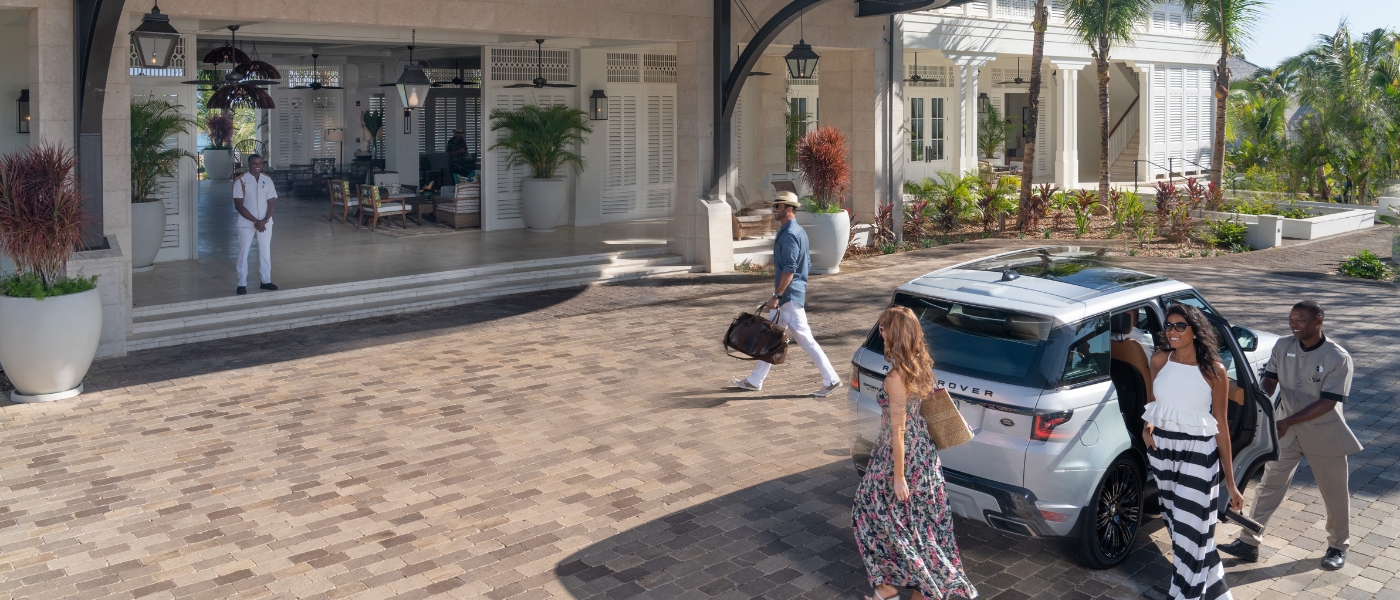
Guests buy experiences, not just rooms. Full-screen hero videos, rich image galleries, and interactive room previews reduce uncertainty and let travelers feel your property before they compare prices.
Well-produced visuals answer unspoken questions about scale, ambiance, and luxury level. Two US examples illustrate the point. Basecamp Hotel in Lake Tahoe showcases a simple, organic aesthetic and signature offerings, like an indoor camping tent suite, through high-quality hero photography that sets a lifestyle narrative from the first scroll Wallpaper. Kimpton pairs lush, editorial storytelling with a prominent, always-visible call-to-action that keeps attention on booking.
Execution tips:
- Invest in on-brand photography and short-form video that loads fast and plays silently by default.
- Pair every hero with a clear CTA and accessible alternative text.
- Use interactive maps on location pages to preview the neighborhood, dining, and transit at a glance.
2. Seamless Mobile-First Experiences
Mobile is where bookings happen. About 60% of hotel reservations occurred on mobile in 2024 Prostay, and mobile conversion rates now slightly outpace desktop, 3.2% vs. 2.8% Prostay. Performance matters too, since 53% of mobile users abandon sites that load in more than 3 seconds Ivy Forms.
Design for the thumb. Keep the booking CTA anchored in the thumb zone with a sticky bar, use a simple date picker that prevents impossible choices, and maintain high-contrast typography for readability in variable lighting. Remove clutter. Fewer taps and fewer fields correlate with higher mobile completion.
What to implement next:
- Sticky booking bar visible on all key pages
- Lightweight image formats and responsive sizes to cut payload
- Single-page booking query with calendar, room, and rate clarity
3. Booking Engine Integration for Higher Conversion
Your design only succeeds if the booking flow converts. Direct site conversion rates typically fall between 1.5% and 2.5% RMS Cloud, and abandonment in hotel booking engines can reach 85% Punch Hospitality. That gap is solvable with native integration and frictionless checkout.
Three proven upgrades:
- Open booking widget on the homepage. Placing a visible, pre-filled booking widget can lift booking engine click-through by about 30% ARO Digital Strategy.
- Native styling and UX. Make the booking engine inherit your site’s CSS and navigation so the handoff feels seamless, not third party.
- Modern payments. Offer Apple Pay and Google Wallet for one-tap checkout, and let guests book without creating an account.
Industry case studies show that cohesive design plus a modern engine materially raises conversions. Use them as inspiration, then validate with your own A/B tests.
Practical flow checklist
Keep steps to three or fewer:
- Dates and guests
- Room and rate
- Details and pay
Show total price early, including taxes and fees, and mirror the same rates on every page to avoid drop-off. Provide a guest checkout option to reduce friction.
4. ADA Compliance and Inclusive UX Are Non‑Negotiable
Accessibility is now a legal and commercial mandate. In 2025, more than 5,100 federal ADA website lawsuits were filed, a 37% year-over-year increase Circle Studio. Hotels that align to WCAG (Web Content Accessibility Guidelines) 2.1/2.2 Level AA reduce legal risk and expand reach to guests with visual, auditory, motor, and cognitive disabilities.
What accessible looks like in practice:
- Proper color contrast, keyboard operability, focus styles, and descriptive alt text
- Clear form labels and error messaging, consistent navigation, and skip-to-content links
- Captions and transcripts for video and audio, plus screen reader-friendly content order
Real-world example: Vagabond Inn publicly outlines WCAG Level AA conformance, including browser zoom compatibility and screen reader support Vagabond Inn. Use reputable checklists and tools to guide teams and QA at launch and during updates Rev UserWay.
5. Transparent Rates and Real-Time Availability Build Trust
Hidden fees sink trust and conversions. Mandatory resort fees and local taxes can inflate totals by 15% to 30% Travorro. If guests only see the true total at checkout, many will abandon and compare on OTAs (Online Travel Agencies).
Make transparency a feature:
- Show the total price early, with taxes and fees included or clearly itemized
- Sync availability and rates in real time with your PMS (Property Management System)
- Display cancellation and deposit policies in plain language near the rate
Design moves that help: use a monthly calendar view with minimum stays highlighted, add a quick “compare rates” drawer that lists inclusions, and keep price language consistent across room and package pages to prevent confusion.
6. Personalization for Returning and New Guests
Generic experiences underperform. Hotels using AI-powered revenue management are seeing average revenue increases of 7.2% ZS. Guests are also open to personalization, with 73% willing to spend more on tailored upgrades Artech Digital. AI chatbots deflect up to 82% of routine questions, enabling 24/7 service while your team focuses on complex needs Mediaboom.
Quick wins you can launch in weeks:
- Dynamic homepage modules that adjust imagery and offers by geo, referral source, or loyalty status
- Smart upsells during booking, like late checkout or spa times tied to stay length and party mix
- Cart and browse abandonment emails that mirror on-site content and pricing
How we help: We connect CRM and on-site behavior to deliver personalized content, offers, and messaging layers. Our team builds mobile-first experiences that respond to every click and context so your site, media, and email marketing operate as one system.
7. Social Proof and User-Generated Content
Social proof reduces risk and accelerates decisions. Roughly 81% of travelers read reviews before booking Food Tech Ethiopia. Bring validation into the booking path rather than hiding it on a testimonials page.
Two simple placements:
- Surface recent reviews near room and rate cards. Stage Coach Lodge shows positive reviews in a subtle pop-up on entry, which keeps confidence high without blocking the journey.
- Curate an Instagram grid of guest-captured images. Hotel d’Angleterre uses UGC (User-Generated Content) to highlight experiences with credibility.
Design tips: keep review widgets accessible, attribute sources clearly, avoid autoplay carousels that reduce control, and ensure UGC meets your brand and legal standards.
Where to place proof
Adjacent to the date picker, on room detail pages, and within checkout sidebars. Keep it visible where decisions happen.
8. Fast Load Times for SEO and UX
Speed is non-negotiable. 53% of mobile users abandon sites that take longer than 3 seconds to load Ivy Forms. Every additional second of booking engine load can depress conversion by 7% to 10% MarketingLTB.
Technical essentials for hotels:
- Compress and resize images; serve next-gen formats; lazy load below-the-fold assets
- Use a CDN, HTTP/2 or HTTP/3, and preconnect critical third-party domains
- Minimize script bloat from trackers and widgets that do not drive revenue
Optimization for AI answers: structure content clearly, use schema where appropriate, and maintain consistent naming for rooms and packages. Many 2026 hotel marketing trends also emphasize emerging Generative Engine Optimization, which rewards clarity and structured data Punch Hospitality.
9. Clear Brand Identity and Unique Value Proposition
A distinct brand is your edge against OTA (Online Travel Agency) sameness. Lead with a crisp value proposition, visual system, and voice guests can feel in seconds. Luxury properties often win with minimal, cinematic design; boutiques benefit from bold editorial layouts; value-driven hotels prioritize clarity and speed.
Hooray Agency has repositioned and rebuilt US hotel brands to sharpen this signal. Our work with the Salamander Collection helped shift from a house of brands to a unified branded house centered on transformative experiences Hooray Agency. Across projects like Cliff House, The Garland, Baker’s Cay, and The Ranch Laguna Beach, we blend storytelling with conversion-focused UX.
Make it tangible on-site:
- State direct-booking perks clearly, near the booking widget
- Use typography and color to match your market position
- Keep copy concise, sensory, and consistent across web, email, and paid media
10. Local SEO and Maps Integration in 2026
Travelers do not just book a room, they book a destination. Well-integrated, interactive maps help guests visualize their itinerary and keep them inside your ecosystem while they plan Hotel Tech Report. Highlight nearby dining, culture, outdoor activities, and transit to increase time on site and reduce the pull of third-party planners Food Tech Ethiopia.
Practical moves:
- Embed a fast, accessible map with curated layers and walking times
- Maintain accurate NAP (Name, Address, Phone) across your website and listings
- Keep your Google Business Profile updated with seasonal images, offers, and event info
11. Security, Privacy, and Compliance Features That Matter Now
Trust is the brand. Hotels handle sensitive PII (Personally Identifiable Information) and payment data, which makes the sector a prime target for cyberattacks HotelsMag Hotel Business. Build visible safeguards into the experience.
Checklist for 2026:
- Always-on SSL, modern TLS, and HSTS; frequent vulnerability scans
- Clear cookie consent and privacy disclosures aligned to GDPR and CCPA where applicable Hotelogix
- Strong password and MFA for staff dashboards; vendor risk reviews; data minimization
Stay proactive: monitor threats, patch quickly, and limit access by role. Communicate your standards plainly so guests see and feel the protection you provide.
12. Data-Driven Optimization and Continuous Improvement
High-performing websites are never finished. Use analytics, heatmaps, and recorded sessions to find friction, then test fixes. Forcing account creation has caused 30% abandonment in travel booking studies SEMROI. When a major travel brand added guest checkout, conversions rose 15% The Marketing Agency.
What to test next quarter:
- Open vs. collapsed booking widget on the homepage
- Single-page checkout vs. two-step payment
- Transparent all-in pricing at room selection vs. at checkout
Focus metrics: booking engine CTR, add-to-cart rate, step-level drop-off, conversion rate by device, and refund or cancellation rates by offer type.
FAQ: Hotel Website Design Best Practices for 2026
How fast should a hotel website load?
A hotel website should load in 3 seconds or less on mobile devices. More than half of mobile users will abandon a site that takes longer, which can significantly reduce bookings Ivy Forms.
Why is ADA compliance necessary for hotel websites?
ADA compliance is necessary to reduce legal risk and ensure your website is usable for guests with disabilities. Over 5,100 federal ADA website lawsuits were filed in 2025, and compliance with WCAG (Web Content Accessibility Guidelines) standards expands your audience Circle Studio.
How does AI improve hotel website conversions?
AI-powered tools drive higher revenue and conversions by personalizing offers, recommending upsells, and providing 24/7 support through chatbots. Hotels using AI-powered revenue management have seen average revenue increases of 7.2% ZS.
What is UGC and why does it matter?
UGC stands for User-Generated Content. It includes guest reviews and photos that build trust and help travelers make booking decisions. About 81% of travelers read reviews before booking Food Tech Ethiopia.
Conclusion
Your website can reclaim revenue from OTAs (Online Travel Agencies) if it blends emotional storytelling with an ultra-clear, ultra-fast, and inclusive path to book. Prioritize mobile-first UX, transparent pricing, and accessible design. Speed up pages and the booking engine, since more than half of mobile users bounce past 3 seconds Ivy Forms. Reduce friction, including removing forced account creation and offering guest checkout, which has been shown to lift conversions The Marketing Agency. Reinforce trust with reviews, modern security, and privacy clarity. Then keep optimizing with structured experiments.
Hooray Agency designs custom hotel websites for US properties and 2026 guest expectations. We integrate strategy, creative, technology, and in-house production to deliver experiences that reach, respond, and react to every click. Ready to benchmark your site against these 12 trends? Contact Hooray Agency for a complimentary website audit or 2026 trend consultation.
References
- Hotel Booking Statistics 2025: Market Insights and Trends
- Best Practices to Ensure Your Website Is ADA Compliant
- Lead Generation for Hotels
- Hotel Marketing Statistics
- Improve Your Hotel Booking Conversion Rate
- Hotel Marketing Trends 2026
- 5 Luxury Hotel Website Designs to Look Out For
- Hotel Comparison Sites and Transparent Pricing
- Generative AI in Hospitality Revenue Management
- AI-Driven Revenue Growth: Hospitality Insights
- AI in the Hotel Industry
- Best Hotel Website Design Examples in 2026: Trends & UX Strategies
- Cyberprotecting Your Hotel Matters More Than Ever
- The Year Ahead 2026: Cybersecurity Predictions for the Hotel Industry
- GDPR Compliance Tips
- Hotel Web Design Trends
- Expedia Case Study: Lessons in UX and CRO
- Hotel Websites CRO
- ADA Website Conformance
- Salamander Collection: Transformative Experiences
- Basecamp Hotel, Lake Tahoe
- Hotel Marketing Trends 2026